

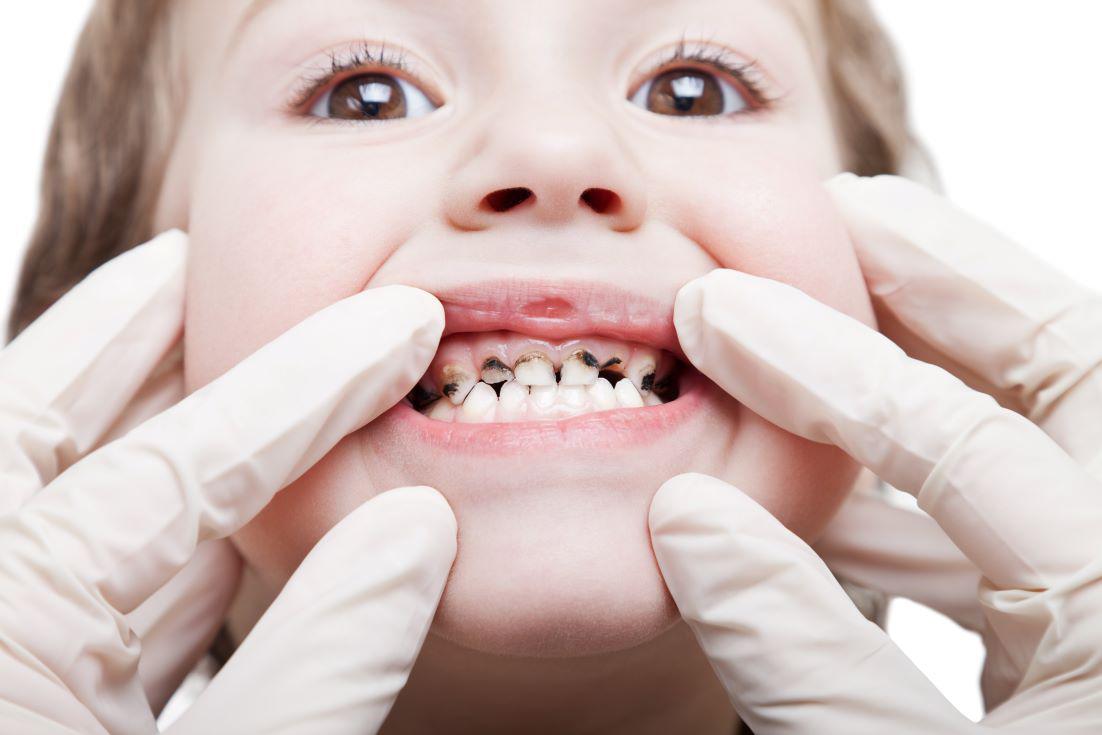
Tooth decay is one of the most common childhood health concerns, but many parents are surprised by how quickly it can develop. Children’s teeth are vulnerable the moment they appear, and because young kids are still learning healthy habits, their teeth often need extra support. Understanding the main causes of tooth decay can help families protect their children’s oral health and prevent problems before they start.
How Sugar Affects Developing Teeth
Sugar is a leading contributor to tooth decay and often appears in snacks, drinks and even foods that seem healthy. When kids eat sugary treats, bacteria in the mouth feed on the sugar and produce acids. These acids gradually wear down the enamel, the tooth’s protective layer. Children’s enamel is thinner than adults’, which makes decay easier to form.
Frequent snacking, sipping juice throughout the day, or enjoying sticky treats that cling to teeth increases risk. Even natural sugars in fruit snacks, flavored yogurt, or juice can contribute to decay if teeth aren’t cleaned afterward. Moderation and proper brushing habits help reduce these risks while still allowing kids to enjoy occasional treats.
Inconsistent Brushing and Oral Care
Many children need help brushing until they develop the dexterity to clean effectively. When brushing is inconsistent or rushed, plaque begins to build up. Plaque is a soft, sticky film of bacteria that coats the teeth, and if left untreated, it can harden into tartar, leading to decay and gum irritation.
Teaching children to brush gently, consistently, and for two minutes twice a day can prevent decay. Cleaning between the teeth as they grow older is also important. Brushing together or using timers and music can motivate younger children to stick to the routine.
Bottles, Sippy Cups, and Bedtime Habits
Nighttime habits are another key factor in tooth decay. Babies or toddlers who go to bed with bottles or sippy cups containing milk or juice expose their teeth to sugar for long periods. Saliva production slows during sleep, so these sugars linger on teeth, increasing the risk of early childhood caries, sometimes called “baby bottle tooth decay.”
Transitioning to cups, offering water between meals, and avoiding sugary drinks at bedtime can significantly reduce this risk. Encouraging water as the primary drink supports dental health and helps establish lasting healthy habits.
Genetics and Medical Factors
While habits play a major role in preventing decay, some children are more vulnerable due to genetics. Enamel defects, deep grooves in chewing surfaces, or early illnesses can make decay more likely. Certain medications may also reduce saliva flow, making it harder for the mouth to neutralize acids. Parents with a family history of decay or enamel issues should work with a dentist to develop a personalized prevention plan. Early dental visits can help address these concerns promptly.
Diet and Hydration Choices
What children eat and drink throughout the day strongly affects their oral health. Processed snacks, sticky foods, and acidic beverages can wear down enamel over time. Balanced meals with crunchy fruits and vegetables, along with plenty of water, help keep the mouth clean and hydrated. Water rinses away food particles and helps maintain healthy saliva, which protects teeth naturally.
Creating a home environment where nutritious options are easily accessible encourages children to make healthier choices. These small habits benefit both their teeth and overall health.
Helping Your Child Maintain a Healthy Smile
Tooth decay in kids is extremely common, but it is also highly preventable. Consistent brushing, mindful eating, and regular dental checkups all play important roles in maintaining healthy teeth. If you have concerns about your child’s teeth or want guidance on prevention, schedule a visit with our dental team. We are here to help your child build strong, lifelong oral health habits and maintain a bright, healthy smile.